
A space for students to grow as physicists
The world of peer-reviewed scientific publishing can be an intimidating world to many students. While we train students to write in a format typical of our field, most scientists (myself included) enter the publishing world with little to no training on the subject. What constitutes a good (and ethical) peer review? Which results are publishable? Which journal format (rapid communication vs full article) is appropriate for this work?
This site is a training ground, giving students and the public an insight into the behind-the-scenes of peer-reviewed publishing.
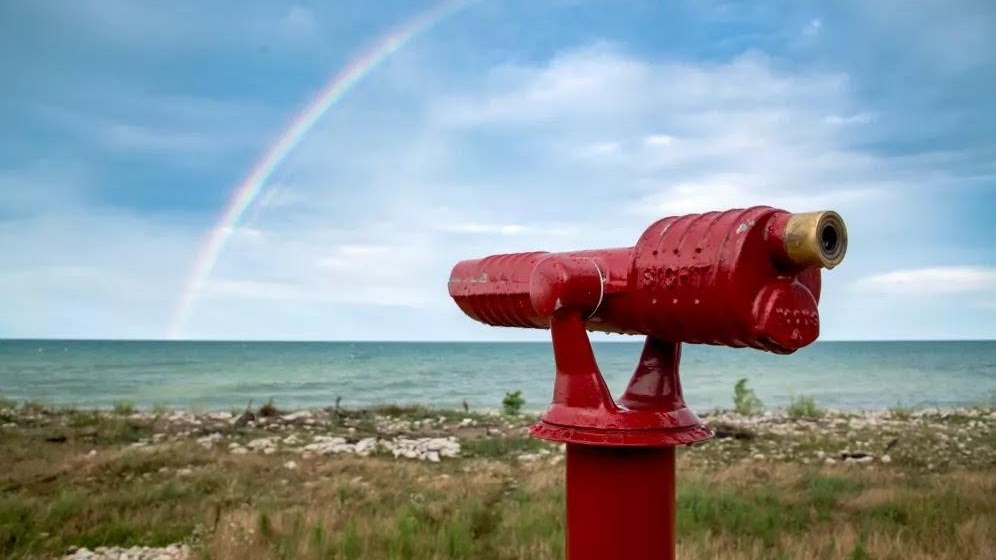
Scope
The work in this journal comes from the students of the J-Term 2024 experimental physics class at Carthage College (Kenosha, WI). Their laboratory experiment reports can be found in the rapid communications section of the issue, as well as longer contributions in the format of full articles.
The scope of this journal includes the experiments which are a part of the Carthage College experimental physics repertoire as well as students own original work. Articles include experimental physics, theoretical physics, and literature reviews.
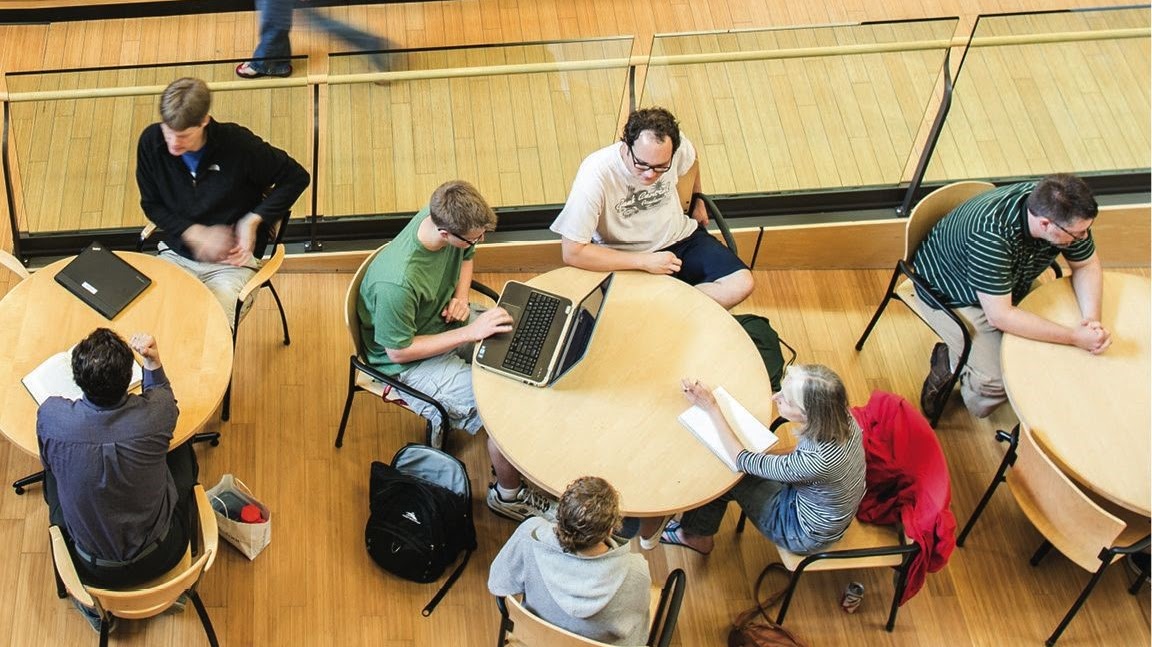
Peer-reviewed (ish)
All of these publications have gone through a mock peer-review process. You can find the peer-review reports linked on the page of each article.
For more on the peer-review process, explore our information for authors page below.
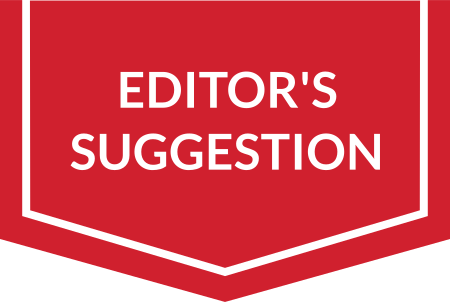
What is Editor's Suggestion ?
Contributions marked as Editor’s Suggestions distinguish themselves in clarity, style, and presentation of their findings. These include both rapid communications and original articles. You will find them marked with the banner at right and specially formatted in the full-text.
Also, because this work was carried out in an experimental physics course, there are only finitely many experiments that can be performed. This occasionally leads to duplicate results. Where there are redundant findings, you will find one contribution marked as Editor’s Suggestion.